Author: AVS POST Bureau

  • 6 Incredible Ways Forest Bathing Benefits Your Mind

    6 Incredible Ways Forest Bathing Benefits Your Mind

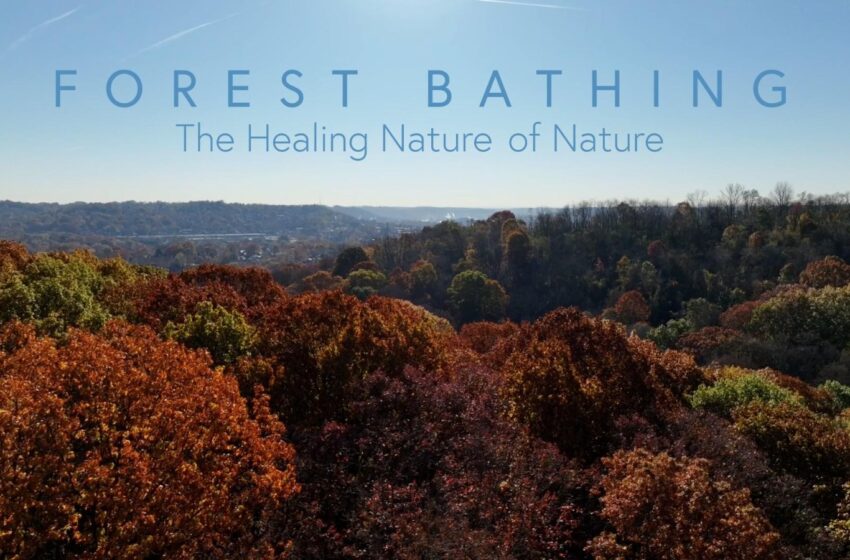
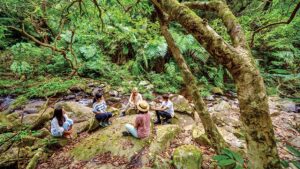
    Forest Bathing: An Overview of the Practice of Nature Therapy There has never been a more pressing need to reconnect with nature in today’s fast-paced, screen-dominated world, where digital connectivity frequently eclipses genuine human experiences. Forest bathing, a gentle, immersive experience in nature, is one extremely healing technique that is becoming more and more popular around the world. Forest bathing, also referred to as Shinrin-yoku in Japanese, is about being in nature, experiencing it with the senses, and allowing its calming effects to permeate your life rather than hiking or exercising.
    Forest Bathing

    Forest Bathing: What Is It?

    In response to the rising number of stress-related health issues among urban populations, forest bathing was first practiced in Japan in the 1980s. Shinrin-yoku, or “bathing in the forest atmosphere,” was promoted by the Japanese government, which acknowledged the therapeutic value of their vast forests.

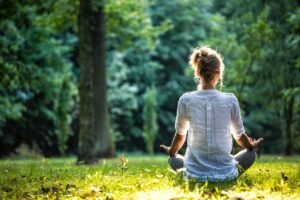
    Unlike a nature walk or a mountain trek, forest bathing has no end goal or destination. It’s not a workout. Rather, it entails a slow, attentive investigation of natural settings with an emphasis on sensory engagement—hearing birdsong, feeling tree bark, breathing in the earthy aroma of the forest floor, and just taking in the way leaves interact with light and shadow.

    The Science Underpinning the Calm

    The psychological and physical advantages of forest bathing have been substantiated by numerous scientific investigations. According to studies by renowned forest medicine specialist Dr. Qing Li, spending time in forests can:

    • Reduce stress by lowering cortisol levels.
    • Reduce heart rate and blood pressure
    • Improve the functioning of the immune system
    • Boost your mood and lessen your anxiety
    • Increase focus and inventiveness

    The function of phytoncides, which are organic oils released by plants and trees, is one intriguing finding. When inhaled, these substances may increase the body’s production of natural killer (NK) cells, which are vital for battling tumours and infections. They also have antimicrobial qualities.

    Forest Bathing

    To help you get started, here is a thorough how-to:

    Distractions should be avoided.

    Switch off your phone or put it in aeroplane mode. During this time, avoid any digital disruptions.

    Come in with an open mind.

    Go into the natural environment with no preconceived notions or plans. Follow your senses.

    Use your senses.

    • Examine the water’s flow or the patterns in the leaves.
    • Take in the sound of birds chirping and trees rustling.
    • Inhale the scent of the moist soil or blooming plants.
    • Experience the feel of rocks, bark, or leaves.

    Move slowly and aimlessly.

    This has nothing to do with distance. Take your time moving. If the mood strikes, lie down or sit.

    Take a deep breath.

    Breathe deeply and diaphragmatically. Breathe slowly and inhale the scents around you to help you ground yourself in the here and now.

    Think and be grateful

    Give your experience some thought. To record their ideas or observations, some people bring a journal.
    Mental Health and Forest Bathing

    Including forest bathing in your daily routine can be a beneficial addition to mental health services. It has been shown to be useful in treating burnout, anxiety, and depression symptoms. Since emotional well-being frequently thrives in natural settings, many therapists and wellness professionals now incorporate nature therapy into their practices.

    For people who want to meditate without the strict regimen of conventional meditation, forest bathing is also a great option. It makes it possible to cultivate present-moment awareness and engage in quiet reflection in a natural and approachable way.

    Developing a Habit of Nature

    Even though isolated encounters with nature are good, regular exposure has the most significant impacts. Forest bathing for just two to three hours a week can have a significant positive impact on vitality and mood. Think about incorporating it into your weekly routine—perhaps as a stress-relieving activity in the middle of the week or as a Sunday morning ritual.

    Forest Bathing

    In conclusion

    A return to our roots and a gentle reminder that we are a part of nature, forest bathing is more than just a wellness fad. A calm, connected presence that flourishes in the simplicity of nature is something we rediscover within ourselves when we slow down and allow the forest’s quiet wisdom to fill our senses.

    Take a stroll among the trees the next time you’re feeling stressed, overwhelmed, or disengaged. To just be, not to get anywhere. Allow nature to heal, nurture, and serve as a reminder that we are part of it.

    ALSO READ THIS: Menstrual Health : 6 Brave Victories in the Battle Against Period Shame
  • 9 Must-See Instagrammable Locations in India to Capture the Beauty

    9 Must-See Instagrammable Locations in India to Capture the Beauty

    A Photographer’s Guide to India’s Most Instagrammable Locations: India is a land of contrasts, where modernity and tradition live side by side in lively harmony. From sun-kissed beaches to snow-capped Himalayan peaks, from historic forts to busy bazaars, the nation offers a diverse range of picturesque locations that are a photographer’s and Instagrammer’s paradise. Here are some of the most Instagrammable locations in India that will help you improve your photography skills, regardless of your level of experience.

    Instagrammable Locations
    Instagrammable Locations

    Agra’s Taj Mahal

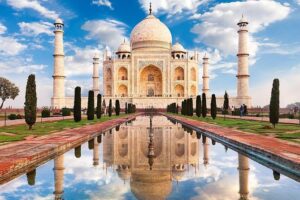
    Without the magnificent Taj Mahal, no list of India’s most picturesque locations would be complete. In addition to being a masterpiece of Mughal architecture, this well-known mausoleum composed of white marble is a symbol of love. The monument has a gentle golden tint from the early morning light, which makes it perfect for sunrise photography. For that symmetrical magic, make sure to photograph its reflection in the lotus pond.

    Sunrise or sunset are the ideal times to take pictures.

    Pro tip: From the Mehtab Bagh across the Yamuna River, try different angles and use a wide-angle lens for full-frame photos.

    Instagrammable Locations

    Jaipur’s Hawa Mahal

    There are 953 intricately carved windows in Jaipur’s five-story “Palace of Winds” made of pink sandstone. Because of its striking colour and distinctive facade, it is a favourite among travel influencers. Interesting compositions are produced by contrasting the urban environment with traditional Rajasthani architecture.

    To avoid crowds, the best time to shoot is in the early morning.

    Pro tip: For a cup of masala chai and a bird’s eye view, go to the Wind View Café across the street.

    Instagrammable Locations

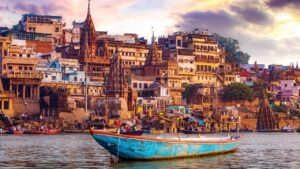
    Uttar Pradesh’s Varanasi Ghats

    Nowhere else in the world can compare to the unadulterated and spiritual atmosphere of Varanasi’s ghats. On the banks of the Ganges, life, death, prayer, and celebration all take place. Its authenticity and the way light and shadow interact during the early morning aartis are what attract photographers.

    The best times to shoot are in the evening or at dawn for morning rituals. Ganga Aarti Pro tip: To record unscripted moments from a distance, use a telephoto lens.

    Instagrammable Locations

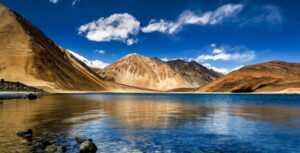
    Ladakh’s Pangong Lake

    The water in this bizarre lake, which spans China and India, changes colour from blue to green to red based on the sun’s angle. It’s a minimalist haven for landscape photographers, surrounded by bleak mountains.

    Early summer (May–July) is the ideal time to shoot.

    Pro tip: Pangong boasts some of India’s clearest night skies, so stay overnight to take pictures of the Milky Way.

    Instagrammable Locations

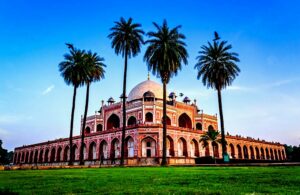
    Delhi’s Humayun’s Tomb

    Humayun’s Tomb, a less visited but no less magnificent site, is frequently regarded as the forerunner of the Taj Mahal. It is a visual feast for the eye thanks to its symmetrical architecture, verdant gardens, and red sandstone facade.

    The best time to take pictures is in the morning when the light is soft.

    Expert advice: To draw the viewer’s attention into your frame, use the garden paths’ leading lines.

    Instagrammable Locations

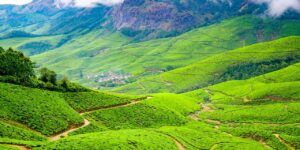
    Munnar Tea Plantations

    Kerala’s Munnar is a geometric wonder for drone photography, with its undulating hills covered in well-kept tea bushes. Your photographs have a dreamy quality due to the misty mornings, which perfectly balance culture and nature.

    For lush greenery and fog, the monsoon or winter seasons are the best times to shoot.

    Pro tip: To get access to higher viewpoints for expansive views, hire a local guide.

    Instagrammable Locations

    Udaipur’s City Palace

    The City Palace, which combines Mughal and Rajasthani architecture, is situated on the shores of Lake Pichola. Numerous photo opportunities are provided by the mirrored halls, serene lake views, and elaborate courtyards.

    For golden hour photos, the late afternoon is the ideal time to shoot.

    Expert advice: Taking a boat ride on the lake provides breathtaking views of the palace’s reflection in the water.

    Instagrammable Locations

    Gujarat’s Rann of Kutch

    The white salt desert of the Rann of Kutch is transformed into an otherworldly canvas during the Rann Utsav, a festival of music, dance, and colour. This place is a photographer’s paradise, minimalist by day and enchanting at night.

    November through February is the ideal time to shoot.

    Pro tip: For dreamy white-on-white compositions, take pictures on full moon nights.

    Instagrammable Locations

    Living Root Bridges in Meghalaya

    These bridges, made from living tree roots, are engineering wonders of nature found deep within Meghalaya’s jungles. In addition to being visually appealing, they are an example of sustainable creativity.

    Monsoon or post-monsoon seasons are the ideal times to shoot.

    Pro tip: To capture the damp, ethereal jungle atmosphere, use a tripod and take pictures in low light.

    Instagrammable Locations

    Concluding remarks

    India is a huge, varied country with countless visual tales just waiting to be told. Instagram may focus on aesthetics, but learning about the history, customs, and people that make each place unique offers a greater reward. Always show consideration for local traditions, and keep in mind that sometimes the best opportunity presents itself when you least expect it.

    ALSO READ THIS: Mental Health Trauma : 6 Inspiring Facts About Women Recovering From the Issue

  • Nushrratt Bharucha: Who is she her, education, family, career, top 10 movies and more.

    Nushrratt Bharucha: Who is she her, education, family, career, top 10 movies and more.

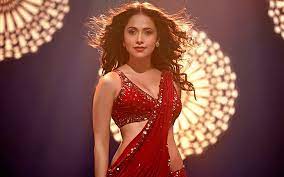
    Nushrratt Bharucha: She is an Indian actress who primarily works in Bollywood films. She is known for her versatile roles, especially in romantic comedies and socially relevant dramas. She gained recognition for her performances in films like Pyaar Ka Punchnama (2011), Sonu Ke Titu Ki Sweety (2018), and Chhalaang (2020).

    Nushrratt Bharucha
    Nushrratt Bharucha

    Her characters often portray relatable, strong-willed women, making her a popular figure, especially among the youth. Her career has been marked by a shift from playing stereotypical romantic leads to taking on more varied and challenging roles, particularly in films with social messages. She is also recognized for her charming screen presence, fashion sense, and strong connection with her fans, especially on social media.

    When and where was her childhood and education?

    She was born on May 17, 1985 and in Mumbai, Maharashtra, India. Apart from this she did her schooling from Lilavati Podar High School in Mumbai and college from Jai Hind College in Mumbai. She completed her degree in Commerce.

    When and where was her childhood and education?
    When and where was her childhood and education?

    Who all are there in Nushrratt Bharucha family?

    Nushrratt Bharucha some from a Gujarati family and her family consists of the following members such as:

    Her Father: Tanvir Bharucha, who is a businessman.

    Her Mother: Tasneem Bharucha, who is a homemaker.

    Her Brother: Zainul Bharucha.

    Who all are there in Nushrratt Bharucha family
    Who all are there in Nushrratt Bharucha family

    What is her relationship status?

    According to sources she is dating rapper Honey Singh, though she has denied this humour but was amused to hear a dating humor about her as she has never dated anyone after joining the industry.

    What is her relationship status?
    What is her relationship status?

    Why did she choose acting as a career?

    She chose acting as a career due to her deep passion for performance and the arts. She was drawn to acting from a very young age but she completed her degree in commerce. But Her love for storytelling and creative expression led her to pursue a career in Bollywood. She made her breakthrough from role in Pyaar Ka Punchnama (2011) solidified her path, allowing her to explore diverse characters and connect with audiences through relatable and meaningful roles. Acting became her platform to express herself and live different lives through her characters.

    Why did she choose acting as a career?
    Why did she choose acting as a career?

    Nushrratt Bharucha top 10 movies:

    1. Pyaar Ka Punchnama (2011).
    2. Pyaar Ka Punchnama 2 (2015).
    3. Sonu Ke Titu Ki Sweety (2018).
    4. Chhalaang (2020).
    5. Hurdang (2022).

      Nushrratt Bharucha top 10 movies
      Nushrratt Bharucha top 10 movies
    6. Janhit Mein Jaari (2022).
    7. Love Sex Aur Dhokha (2010).
    8. Ajeeb Daastaans (2021).
    9. Kizie Aur Manny (2019).
    10. Raavan Leela (2021).

    What are her achievements?

    Nushrratt Bharucha achievements are:

    • She got Filmfare Awards for films like Pyaar Ka Punchnama and Sonu Ke Titu Ki Sweety.
    • She got Screen Awards for Sonu Ke Titu Ki Sweety.
    • She also won BIG Star Entertainment Awards for Sonu Ke Titu Ki Sweety (2018).

      Nushrratt Bharucha achievements are:
      Nushrratt Bharucha achievements are:
    • She is also known for her OTT and Digital Recognition from Ajeeb Daastaans (2021) and more
    • She raised her voice in movies like Janhit Mein Jaari (2022). This movie is a socially relevant film that focused on sexual health awareness and was widely appreciated. She earned her praise for taking up an unconventional role that made a significant social impact.
    • She has been widely recognized for her fashion sense by making appearances on several best-dressed lists and becoming a style icon for many.

    What are Nushrratt upcoming project?

    Some of her upcoming project are Sequal of Chhori “Chhori 2“, Akeli and another project with Anurag Kashyap.

    Nushrratt upcoming project
    Nushrratt upcoming project

    Also Read This: OPPO K13: When is it launching, its features, design, price and more.

  • Sai Pallavi: who is she, her education, family, career, top 10 movies and more.

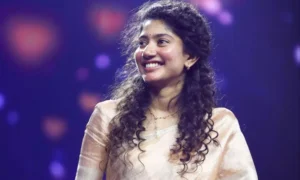
    Sai Pallavi: She is an Indian actress and dancer known for her natural acting, expressive performances, and graceful dance moves. She works mainly in Tamil, Telugu, and Malayalam cinema. She first gained major attention with her debut in the Malayalam film Premam (2015), where she played “Malar Miss,” a role that won hearts across South India. Since then, she’s become one of the most admired actresses in the industry for her unique screen presence and authenticity. Apart from the she is also known for her natural beauty, Academic background and dancing.

    Who is Sai Pallavi?
    Who is Sai Pallavi?

    When and where is her childhood and education?

    She was born on May 9, 1992 in Kotagiri, Tamil Nadu. She spent most of her childhood in Tamil Nadu. Her schooling was from Avila Convent School and college was from Tbilisi State Medical University in Georgia, she did MBBS there.

    Her childhood and education.
    Her childhood and education.

    Who all are there in Sai Pallavi family?

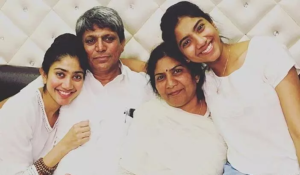
    Sai Pallavi family consists of the following:

    Her Father: Senthamarai Kannan. He works as a central excise officer.

    Her Mother: Radha Kannan . A homemaker who has supported Sai Pallavi’s passion for dance and acting from an early age.

    Her Younger Sister: Pooja Kannan. She has also shown interest in acting and made her debut in the Tamil film industry.

    Sai Pallavi family
    Sai Pallavi family

    Why did she choose acting as a career?

    She didn’t initially plan on becoming an, her first choice was to become a doctor, which she fulfilled by earning her MBBS degree. However, her love for dance and performing began early in life and slowly opened the doors to acting. She loved being on stage since childhood, especially for dancing. She participated in several dance reality shows, which gave her confidence and visibility.

    she choose acting as a career
    she choose acting as a career

    During study in Georgia, she was offered the role of “Malar Miss” in Premam (2015). She almost turned it down due to exams but eventually accepted it, and the film’s success changed her life. The overwhelming response to her natural performance and no-makeup look made her realize that cinema could be a space where she could be herself She could be authentic, expressive, and real.

    She chooses scripts where the characters have depth and importance, not just glamor. This artistic connection drew her more toward acting. So, in a way, acting chose her as much as she chose it and her journey continues to inspire fans who admire talent over appearance.

    Sai Pallavi top 10 movies are:

    1. Premam (2015).
    2. Fidaa (2017).
    3. Kali (2016).
    4. Love Story (2021).
    5. Shyam Singha Roy (2021).

      Sai Pallavi top 10 movies
      Sai Pallavi top 10 movies
    6. Maari 2.
    7. Gargi (2022).
    8. Middle Class Abbayi (2017).
    9. Athiran (2019).
    10. NGK (2019) .

    Details on why is she known as “Dancing Queen”?

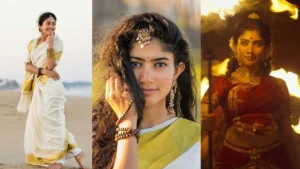
    She is affectionately known as the “Dancing Queen” of South Indian cinema due to her exceptional and natural dance abilities. Her dance performances are characterized by a combination of grace, emotion, and energy, which make each movement look effortless. Her dance style is often seen as more spontaneous and real, allowing her to deeply connect with her audience.

    she known as "Dancing Queen"
    she known as “Dancing Queen”

    Additionally, she has a solid foundation in classical dance, particularly Bharatanatyam, which contributes to her elegant yet energetic performances. She has a dramatic film sequence or a light-hearted dance number, her expressive style and ability to blend emotion with rhythm have earned her this title, making her a standout performer in Indian cinema.

    What are her Achievements?

    Sai Pallavi achievement are:

    • She has got Filmfare Awards South for Best Actress (Telugu) in Fidaa (2017).
    • She has received South Indian International Movie Awards (SIIMA) for Best Actress (Telugu) in Fidaa (2017) and Best Actress (Malayalam) in Premam (2015).
    • She has also received Asiavision Awards for Best Actress in Premam (2015).
    • She got Kerala State Film Awards for Best Actress in Kali (2016).
    • She got Nandi Awards for Best Actress for Middle Class Abbayi (2017)

      Sai Pallavi achievement
      Sai Pallavi achievement
    • She got IIFA Utsavam Award for Best Actress in Fidaa (2017).
    • She also got Filmfare Critics Award for Best Actress for Premam (2015).
    • She is recognized by several media outlets and film critics as one of the most talented and versatile actresses in the South Indian film industry.
    • Her natural, unglamorous look, dedication to roles, and refusal to conform to traditional beauty standards have earned her a unique place in the hearts of fans and made her a role model.
    • She has Choreography Recognition for performances in films like Premam, Fidaa, and Shyam Singha Roy. Which made her an icon in the dance community. Her ability to blend classical and contemporary dance styles seamlessly has set her apart from her peers.

    Also Read This: Pooja Hegde: Her lifestyle, childhood, Miss Universe India pageant 2010, career and achievement more.

  • Mental Health Trauma : 6 Inspiring Facts About Women Recovering From the Issue

    Mental Health Trauma : 6 Inspiring Facts About Women Recovering From the Issue

    Women’s Mental Health Trauma: The impact on women’s Mental Health An extremely upsetting or distressing event that can have long-lasting emotional and psychological repercussions is called a trauma. All genders are impacted by trauma, but for a variety of social, cultural, and biological reasons, women are disproportionately affected. Trauma has a significant and intricate effect on women’s mental health, frequently showing up as mental illnesses that, if left untreated, can last for years.

    Women's Mental Health Trauma
    Women’s Mental Health Trauma

    Comprehending Mental Health Trauma in the Lives of Women

    Women are more likely than men to experience some types of trauma, particularly interpersonal trauma. These consist of emotional abuse, domestic violence, sexual assault, and maltreatment during childhood. One in three women globally have been victims of physical and/or sexual violence at some point in their lives, according to the World Health Organisation (WHO). Systemic gender inequality and power disparities that sustain cycles of abuse and silence are frequently the cause of these experiences.

    Trauma can be classified as acute (caused by a single event), chronic (occurring repeatedly and for an extended period of time), or complex (resulting from exposure to numerous traumatic incidents, many of which were intrusive and interpersonal in nature. Women who experience trauma frequently deal with several types at once, such as physical and emotional abuse along with financial hardship, which can worsen the psychological effects.

    Women’s Mental Health Trauma

    Typical Results for Mental Health Trauma

    Traumatised women may develop a range of mental health conditions, including:

    • Women are twice as likely as men to suffer from post-traumatic stress disorder (PTSD). Symptoms include intense anxiety, nightmares, flashbacks, and uncontrollable thoughts about the traumatic event.
    • Depression and Anxiety: A lot of traumatised women report having persistent depressive, hopeless, and fearful feelings. These can lead to generalised anxiety disorder (GAD) and clinical depression, which both affect functioning and quality of life.
    • Substance Use Disorders: Some women may use drugs or alcohol as a coping mechanism for distress related to trauma. Substance use disorders may result from this, which makes mental health and recovery even more difficult.
    • Eating Disorders: Disordered eating patterns like anorexia, bulimia, or binge eating are ways that some women internalise trauma. These disorders are frequently caused by feelings of guilt or shame about the trauma, which lead to a desire to punish oneself or regain control.
    • Dissociation and Self-Harm: Dissociation, or the feeling of being cut off from one’s body or environment, is a defence mechanism that trauma survivors may employ. Cutting or burning oneself can also be a coping mechanism for severe emotional distress.
    Women’s Mental Health Trauma

    Obstacles to Support for Mental Health Trauma

    Despite the severe consequences of trauma, many women encounter major obstacles when trying to get mental health treatment. Women may be discouraged from seeking help because of the cultural stigma associated with mental illness, particularly in some communities. Women in abusive relationships may also be prevented from leaving or speaking out due to financial dependence, fear of reprisals, or worries about child custody.

    Misdiagnosis or re-traumatization during treatment may result from health systems’ own failure to provide trauma-informed care. For example, if the symptoms of a woman with PTSD are not understood in the context of trauma, she may be classified as “difficult” or “non-compliant.”

    Women's Mental Health Trauma
    Women’s Mental Health Trauma

    Trauma-Informed Care’s Significance

    The approach known as trauma-informed care (TIC) acknowledges the pervasive effects of trauma and incorporates this knowledge into every facet of service provision. TIC for women entails establishing secure, encouraging spaces where they can experience empowerment, respect, and being heard. Mental health practitioners need to be educated to spot the symptoms of trauma and steer clear of actions that might unintentionally cause the patient to experience it again.

    Dialectical behaviour therapy (DBT), mindfulness-based interventions, eye movement desensitisation and reprocessing (EMDR), and cognitive-behavioral therapy (CBT) are effective treatment modalities for mental health disorders associated with trauma. The healing process can also benefit greatly from somatic therapies like yoga and bodywork, art therapy, and peer support groups.

    Women’s Mental Health Trauma

    Recovery and Empowerment

    Trauma recovery is achievable, but it calls for an all-encompassing and caring strategy. It is crucial to empower women by providing them with access to mental health resources, social support, and education. Reducing the effects of trauma also requires public policies that address issues like healthcare access, economic inequality, and gender-based violence.
    Society can start addressing the underlying problems that sustain psychological suffering by acknowledging the distinct ways trauma impacts women and giving trauma-informed care top priority. In addition to changing people’s lives, helping women recover also benefits families, communities, and future generations.

    ALSO READ THIS: Tamannaah Bhatia Owns the Red Carpet With These 5 Intense Looks

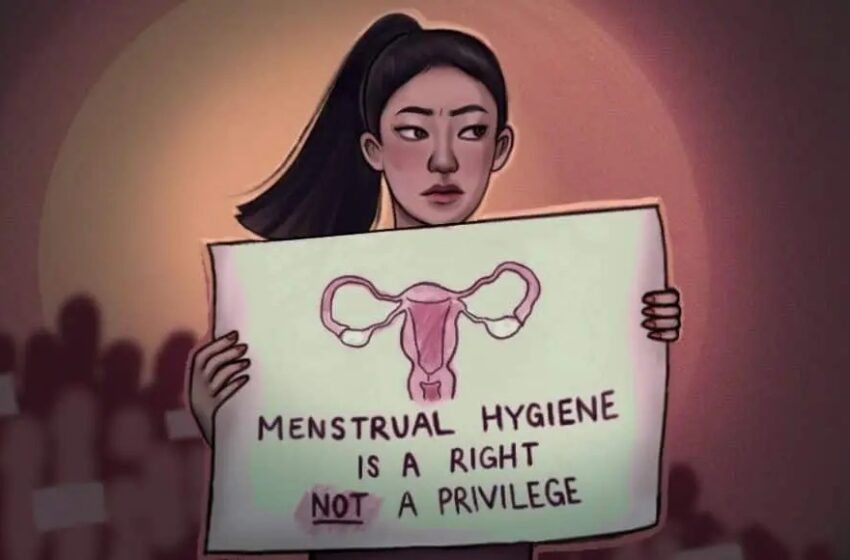
  • Menstrual Health : 6 Brave Victories in the Battle Against Period Shame
    Menstrual Health : 6 Brave Victories in the Battle Against Period Shame

    The Revolution in Menstrual Health: Dispelling the Silence and Stigma Across cultures and communities, menstruation has been shrouded in stigma, shame, and silence for centuries. Even though menstruation is a normal biological process that affects half of the world’s population, conversations about it have frequently been restricted, taboo, or rife with false information. However, a strong worldwide movement known as the menstrual health revolution has surfaced in recent years with the goal of ending the taboo, dispelling myths, and calling for the rights, equality, and access of menstruating people.

    Menstrual Health
    Menstrual Health

    Recognising the Stigma

    The stigma attached to menstruation has deep cultural and religious roots. Menstruating people are still viewed as dirty or impure in many societies. During their periods, they are frequently kept apart, prohibited from participating in religious activities, forbidden from cooking, or even kicked out of their homes. In addition to demeaning women and girls, these practices also help to marginalise them systemically.

    This shame culture begins at a young age. Young girls frequently start their menstrual journeys without the proper knowledge or assistance. Teachers may refrain from talking about menstruation in class out of concern for awkwardness or controversy. Many girls may be confused, afraid, or think that menstruation is something to hide because their parents may feel unprepared or ashamed to have “the talk.”

    Menstrual Health

    The Implications in the Real World

    Menstrual stigma has far more negative effects than just embarrassment. Millions of people worldwide suffer from a lack of access to safe sanitation facilities, appropriate education, and menstrual hygiene products, especially in rural and low-income areas. An estimated 500 million people worldwide do not have access to menstruation supplies and sanitary facilities, according to UNICEF.

    Due to their periods, girls in some areas miss multiple days of school every month, which causes learning gaps and increases the dropout rate. Lack of menstrual support at work, such as insufficient restrooms or strict attendance regulations, can affect output and job stability.

    Another public health concern is menstrual health. Infections and other issues with reproductive health can result from poor menstrual hygiene. But because of the stigma, many people suffer in silence and are reluctant to ask for information or assistance.

    Menstrual Health

    The Menstrual Health Movement’s Ascent

    Thankfully, things are starting to shift. Menstrual health is being prioritised as a fundamental human right by activists, non-governmental organisations, educators, and even governments.

    Globally, grassroots organisations are playing an important role. Menstruation-related taboos are being broken down, awareness is being raised, and menstrual products are being distributed by organisations like The Pad Project, Days for Girls, and Menstrual Hygiene Day.

    At the vanguard of the movement is education. To promote empathy, understanding, and empowerment, comprehensive menstrual health education is being implemented in schools for both boys and girls. We create the foundation for a more inclusive and knowledgeable generation by normalising discussions about menstruation.

    Social media has grown to be an effective instrument as well. Once-hidden voices and stories have been amplified thanks to hashtags like #PeriodPositive, #EndPeriodPoverty, and #MenstruationMatters. From criticising tampon taxes to endorsing sustainable menstrual products, celebrities, influencers, and activists are using their platforms to push for change.

    Menstrual Health

    Innovations and Policy Changes

    A few nations have started putting progressive policies into effect. In 2020, Scotland became the first nation to offer free menstrual products to anyone in need, making history in the process. India has started a number of programs to give sanitary pads away for free or at a reduced cost in rural and school settings. One of the first countries in Africa to do away with taxes on menstruation products was Kenya.

    This revolution has also been influenced by advancements in menstrual hygiene products. Menstrual cups, period pants and reusable pads provide economical and environmentally friendly substitutes for throwaway items, giving consumers options that meet their requirements.

    Menstrual Health

    The Path Ahead

    Although there has been unquestionable progress, the battle is far from over. Access to necessary resources is still limited, and menstrual stigma is still widespread in many parts of the world. We need intersectional approaches that take poverty, disability, and cultural background into account in addition to gender if we are to actually break the silence.

    Human dignity, public health, and gender equality all depend on menstrual health. Governments need to spend money on healthcare, education, and infrastructure. Businesses should design spaces that are conducive to menstruation. Communities must create open, secure forums for discussion.

    Above all, we must all contribute to ending the taboo by discussing periods candidly, hearing firsthand accounts, and dispelling the shame and myths that have endured for far too long.

    Menstrual Health

    In conclusion

    The revolution in menstrual health is about more than just pads and periods; it’s about equity, dignity, and power. It’s about breaking centuries of silence and creating a society in which menstruation is embraced as a natural part of life rather than viewed as a hindrance. Joining the movement brings us one step closer to a time when everyone can menstruate with dignity, pride, and health, and when no one is held back by a natural cycle.

    ALSO READ THIS: Karishma Kohli: Who Is She? The filmmaker, who recently got married, is Katrina Kaif’s best friend.

  • Evolution of Love : 4 Uplifting Ways Love transforms with Every Generation

    Evolution of Love : 4 Uplifting Ways Love transforms with Every Generation

    The Evolution of Love: The Past and Present For centuries, love—a timeless emotion—has been a major theme in human existence. But over the past few decades, there has been a significant shift in how love is perceived, expressed, and sought after. A dramatic contrast influenced by culture, technology, and changing social norms can be seen when contrasting the “old-school” romance of the 1990s with the digital-age romance of the current generation.

    Evolution of Love
    Evolution of Love

    90s Old School Love: A Slow Burn

    Love in the 1990s was more about perseverance, hard work, and a strong emotional bond. Slowly, relationships were formed, frequently beginning as friendships and developing into more over time. Teenage love was characterised by lengthy phone conversations late at night and face-to-face interaction as the main form of communication. There was a sense of excitement and anticipation added by love letters, mixed tapes, and waiting days to speak with a crush.

    There was a sense of earnestness and commitment to romantic endeavours in those days. People appreciated the time and work required to gain someone’s affection. Relationships were rarely displayed in public, and privacy was respected. Genuine efforts were made to get to know someone if they were interested in them, frequently through mutual friends, family get-togethers, or school and college events.

    Breakups were also handled in a more private manner. People had to face their emotions head-on, have genuine conversations, and deal with closure in person because there was no “block” button. Stronger emotional intelligence and resilience were frequently the results of this.

    Evolution of Love

    Contemporary Love: Quick, Electronic, and Transient?

    In the modern era, the evolution of love has paradoxically become more complex while also becoming more accessible. Meeting new people is now easier than ever thanks to dating apps, social media, and instant messaging, which have completely changed the way we connect. Relationships nowadays frequently begin with a swipe, like, or direct message.

    The concept of love has become more casual and fast-paced with the emergence of apps like Instagram, Facebook, Snapchat, Tinder, Bumble, Hinge, and innumerable others. Nowadays, a lot of relationships start online without ever meeting in person. People who have too many options may become indecisive or adopt a “grass is greener” mentality, which makes it difficult to commit because they are constantly concerned that someone better might be just a swipe away.

    Evolution of Love

    Despite being instantaneous, communication is frequently shallow. Long, meaningful conversations have been replaced by emojis and brief texts. Sadly, ghosting—vanishing from someone’s life without giving a reason—has become a popular method of breaking up with them. Love seems to carry less emotional weight, and commitment is frequently postponed in favour of career advancement, personal development, or just keeping options open.

    But it’s not all bad. The current generation values individuality and mental health and is more emotionally sensitive and open-minded. In relationships, there is a greater focus on consent, respect for one another, and shared responsibility. Additionally, people are more likely to seek professional assistance through counselling or therapy, which helps to dispel the stigma associated with mental health in romantic relationships.

    Evolution of Love

    Our Gains and Losses

    Every time period adds a unique flavour to love. We experienced the warmth of undivided attention, the excitement of waiting, and the charm of handwritten letters during the 1990s. Despite fewer distractions and simpler lives, love at the time meant sticking together through thick and thin.

    We now enjoy freedom, transparency, and limitless opportunities. We are perhaps more self-aware, more experimental, and more expressive. However, we have also lost a certain depth as a result of this evolution—the kind of emotional commitment that gave love a sense of holiness and permanence.

    Many young people today have an increasing yearning for the good old days of romance. Some long for the simplicity and emotional depth of their parents’ or grandparents’ time, when commitment was more important than convenience in romantic relationships.

    Evolution of Love

    The Evolution of Love

    Love has changed, not vanished. Although love is still the same, there have been significant changes in how we look for, feel, and maintain it. The new school emphasises freedom and flexibility, while the old school focused on depth and dedication.

    Finding a balance—combining the best aspects of both worlds—is the challenge facing today’s generation. Love can have just as much, if not more, significance if we can accept the authenticity of the past while adjusting to the circumstances of the present.

    ALSO READ THIS: Urvashi Rautela’s 6 Startling Internet-Breaking Troll Storms

  • Earth day 2025: When is it celebrated, why is it celebrated and how is it celebrated.

    Earth day 2025: When is it celebrated, why is it celebrated and how is it celebrated.

    Earth day 2025: Earth Day is an annual event to spread awareness, support environmental protection and sustainability. It was first celebrated in 1970 in the US and has since grown in the global movement by involving 190 countries. This event helps us to educate people about our environment issues like climate change, pollution, deforestation, loss of biodiversity and more issues of concern. It also helps us to understand that we all live on one planet, our every action can take a step towards a healthy and sustainable future.

    Earth day 2025
    Earth day 2025

    Details about the history and significance of Earth day?

    Earth Day was first celebrated on April 22, 1970, and began as a movement in the United States to raise awareness about environmental issues such as pollution, oil spills, and deforestation. It was initiated by Senator Gaylord Nelson to mobilize millions of people, led to the creation of the Environmental Protection Agency (EPA) and landmark environmental laws. Over the years, Earth Day grew into a global event, celebrated in more than 190 countries, uniting people in the fight against climate change and ecological destruction.

    Details about the history and significance of Earth day?
    Details about the history and significance of Earth day?

    Its significance lies in promoting environmental education, encouraging sustainable practices, and reminding us that protecting the planet is a shared responsibility. It continues to inspire action at every level from individuals planting trees to governments pushing for clean energy policies. It is proving that collective efforts can bring real change.

    When is Earth day celebrated?

    It was first celebrated in April 22, 1970 in US, since then it is celebrated every year on April 22 in around 190 countries Now.

    When is Earth day celebrated?
    When is Earth day celebrated?

    What is the theme of Earth day 2025?

    This year’s theme is “Our Power, Our Planet”. It emphasizes the importance of renewable energy and the increase in global efforts to make the world a better, healthy and sustainable future.

    What is the theme of Earth day 2025?
    What is the theme of Earth day 2025?

    Why should we celebrate this event and it’s importance?

    Some of the reason why we should celebrate this festival are:

    • We should celebrate Earth Day because it serves as a powerful reminder of our responsibility to protect the planet we all call home.
    • As environmental challenges like climate change, pollution, deforestation, and loss of biodiversity continue to grow, it encourages us to pause, reflect, and take meaningful action.
    • It promotes awareness about the fragile state of our environment and empowers individuals, schools, communities, and governments to make sustainable choices.

      Why should we celebrate this event and it's importance?
      Why should we celebrate this event and it’s importance?
    • The importance of Earth Day lies in its ability to unite people globally around a common goal which ensuring a healthier, greener future.
    • It helps educate younger generations, promotes innovation in clean technology, and inspires change in everyday habits like reducing waste, conserving water, or using public transport.
    • This celebration isn’t just symbolic, it’s a step toward protecting nature, ensuring clean air and water, and preserving the Earth for future generations.
    • It reminds us that even small actions, when multiplied by millions, can have a big impact.

    How can we celebrate Earth day 2025?

    We can celebrate Earth day 2025 in the following ways:

    • We can plant a tree or grow a plant.
    • We can participate in a local cleanup.
    • By reduce plastic use.
    • By recycle at home or school.
    • By saving electricity and water.

      How can we celebrate Earth day 2025?
      How can we celebrate Earth day 2025?
    • By using public transport, cycle, or walk.
    • We can carry a reusable water bottle or bag.
    • We can educate others about the environment.
    • By joining an Earth Day event or webinar.
    • By supporting eco-friendly brands and products.

    Also Read This: NASA Mars Water Discovery: Full Details on Mars Water Discovery, When It Happened, How It Happened, sample retune in 2025, challenges and More.

  • OPPO K13: When is it launching, its features, design, price and more.

    OPPO K13: When is it launching, its features, design, price and more.

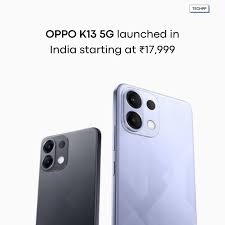
    OPPO K13: The latest phone of oppo the Oppo K13 5G is ready to launch its latest phone this year. The official launch event is already held on April 21 2025 and will soon be released in markets and other online apps.

    Details about what is OPPO K13?
    Details about what is OPPO K13?

    When is OPPO K13 launching?

    The Oppo has announced its launch event and release update on April 21, 2025. Where it was available for purchase from April 25, 2025.

    When is OPPO K13 launching?
    When is OPPO K13 launching?

    What are its features and skills?

    Some of its features and skills are:

    • It has the Qualcomm Snapdragon 6 Gen 4 chip.
    • It has a RAM of 8GB which can support Multiple apps at the same time.
    • It has a fast storage system.
    • It has a vibrant Amoled display.
    • It has a smooth refresh rate.
    • It has a stereo type speaker.

      Some of its features and skills
      Some of its features and skills
    • It has a dual camera feature and 4K video quality.
    • It also has various AI features.
    • It has a long battery life of about 7000mAH.
    • It has 5G connectivity, Wi-Fi and Bluetooth support.
    • It has a comprehensive Navigation system.
    • It also has a finger print sensor.

    How it’s display and design?

    Some details about its design and display are as follows:

    • It has a 6.67 inch Full HD display.
    • It also has an Amoled display with vibrant colours like black.
    • It has a brightness of 120 nits see.
    • Its display and design also support wet hand and glove touch.
    • It is slim and boxy with flat edges.
    • It comes in colour like icy purple, and prism black.

      Some details about its design and display are as follows
      Some details about its design and display are as follows

    Details on its price and more.

    Its pricing is Rs. 17,999 for 128GB storage and Rs. 19,999 for 256GB storage.

    Details on its price and more.
    Details on its price and more.

    Why and who should you buy this phone?

    It is an amazing phone for travellers, gamers, content creation and photography as it supports Long battery life, camera quality, storage and more.

    Why and who should you buy this phone?
    Why and who should you buy this phone?

    Where can we buy this phone?

    We can buy this phone from Flipkart, Amazon, OPPO e-store or OPPO sites and nearby stores or outlets.

    Where can we buy this phone?
    Where can we buy this phone?

    Also Read This: India’s New Education Policy 2025: The changes, benefits, and challenges of New Education policy.

  • Pooja Hegde: Her lifestyle, childhood, Miss Universe India pageant 2010, career and achievement more.

    Pooja Hegde: Her lifestyle, childhood, Miss Universe India pageant 2010, career and achievement more.

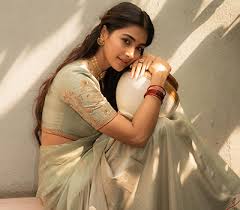
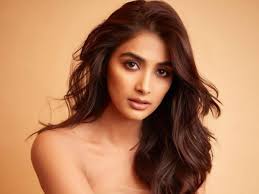
    Pooja Hegde: She is a popular Indian actress and model known for her work in Telugu and Hindi cinema. She began her career as a model and was the second runner-up at the Miss Universe India 2010 pageant. She made her acting debut with the Tamil film. Pooja is known for her beauty, dancing skills, and screen presence. She is also a fashion icon and a favorite among top brands and designers, She shine as one of the most talented and versatile actresses in Indian cinema.

    Pooja Hegde
    Pooja Hegde

    When and where was her childhood and education?

    She was born in Mumbai, Maharashtra on October 13, 1990. She is original from Karnataka. She did her schooling from Maneckji Cooper Education Trust School and college from Mithibai Motiram Kundnani college.

    her childhood and education
    her childhood and education

    Who all are there in Pooja Hegde family?

    Pooja Hegde family comes from Karnataka, her family consists of the following members:

    • Her Father: Manjunath Hegde, who works as a lawyer.
    • Her Mother: Latha Hegde, who is a homemaker.
    • Her elder brother: Rishabh Hegde, who is a doctor (an orthopedic surgeon).

      Who all are there in Pooja Hegde family?
      Who all are there in Pooja Hegde family?

    Details on her relationship?

    According to sources Pooja Hegde is rumored to date Rohan Mehra who is also the son of late Bollywood actor Vinod Mehra. They have been spotted together on several date and mode. But till now none of them have confirmed their relationship.

    Details on her relationship?
    Details on her relationship?

    Details about her Pageant journey.

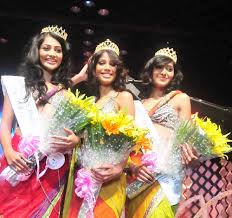
    Her began her journey in the limelight through modeling and beauty pageants during her college days. She initially took part in Miss India 2009 but was eliminated early, yet her determination led her to return stronger the following year. In 2010, she competed in the Miss Universe India pageant and was crowned the second runner-up, also winning the title of Miss India South Glamorous Hair.

    Details about her Pageant journey.
    Details about her Pageant journey.

    Her success in pageantry opened up several modeling opportunities, and she soon became a popular face in the fashion industry, featuring in print ads, TV commercials, and walking the ramp at major fashion events. Her graceful presence, confidence, and photogenic appeal made her a favorite among top designers and brands, ultimately paving the way for her transition into films.

    What is her profession and why she choose it?

    She made her acting debut in 2012 with the Tamil superhero film “Mugamoodi”. Although the film didn’t do well commercially, it gave her a foothold in the South Indian film industry. She then shifted focus to Telugu cinema, where she found early recognition with films like “Oka Laila Kosam” (2014) opposite Naga Chaitanya and “Mukunda” (2014) with Varun Tej. Her charming screen presence and expressive acting quickly earned her popularity. Whereas, her big break in Bollywood came in 2016 with “Mohenjo Daro”, where she starred opposite Hrithik Roshan in a historical epic. While the film received mixed reviews, Her Bollywood debut gave her nationwide visibility.

    What is her profession and why she choose it?
    What is her profession and why she choose it?

    Then she returned to Telugu cinema stronger than ever with back-to-back hits like “DJ: Duvvada Jagannadham” (2017), “Aravinda Sametha Veera Raghava” (2018), and the blockbuster “Ala Vaikunthapurramuloo” (2020) opposite Allu Arjun, which became one of the biggest hits in Telugu cinema. She also continued to take on big-banner projects like “Housefull 4”, “Radhe Shyam”, “Cirkus”, and “Kisi Ka Bhai Kisi Ki Jaan”. Though her Hindi films had mixed success, she remained a sought-after actress due to her versatility, glamor, and growing fan base. Pooja has carved a unique space for herself as a pan-India actress, known for balancing roles in both mass entertainers and romantic dramas across different languages.

    Details about her achievement, awards and records.

    Some of her achievement, awards and records are as following:

    • She got Zee Cine Awards Telugu for Favorite Heroine for Ala Vaikunthapurramuloo (2020).
    • She received Sakalakalaa Vallavan Award at the Sakshi Excellence Awards for her versatility and growing stardom in Tollywood.
    • She was honored at the SIIMA Awards (South Indian International Movie Awards) with nominations for Best Actress and other categories for performances in films like DJ and Aravinda Sametha.
    • She was ET Panache’s Most Desirable Woman list regular and featured in Fermina’s Most Powerful Women list for her influence in fashion and entertainment.

      Details about her achievement, awards and records.
      Details about her achievement, awards and records.
    • She recognized as a Style Icon and brand ambassador for multiple top-tier brands like Citra, L’Oréal, and Myntra.
    • Her film Ala Vaikunthapurramuloo (2020) became one of the highest-grossing Telugu films of all time and boosted her status as a leading lady.
    • She is one of the few actresses to achieve popularity in both Bollywood and South Indian cinema, earning her the tag of a pan-India star.
    • She was frequently ranked among the most searched and talked-about Indian celebrities in fashion, film, and entertainment portals.

    Also Read This: Sonal Chauhan: Details on her lifestyle, Education, family, Pageant, acting, top 10 movies and more.